Your Dog Is Not Being Stubborn.
You're Being Unclear.
Pet Parenting
March 01, 2026
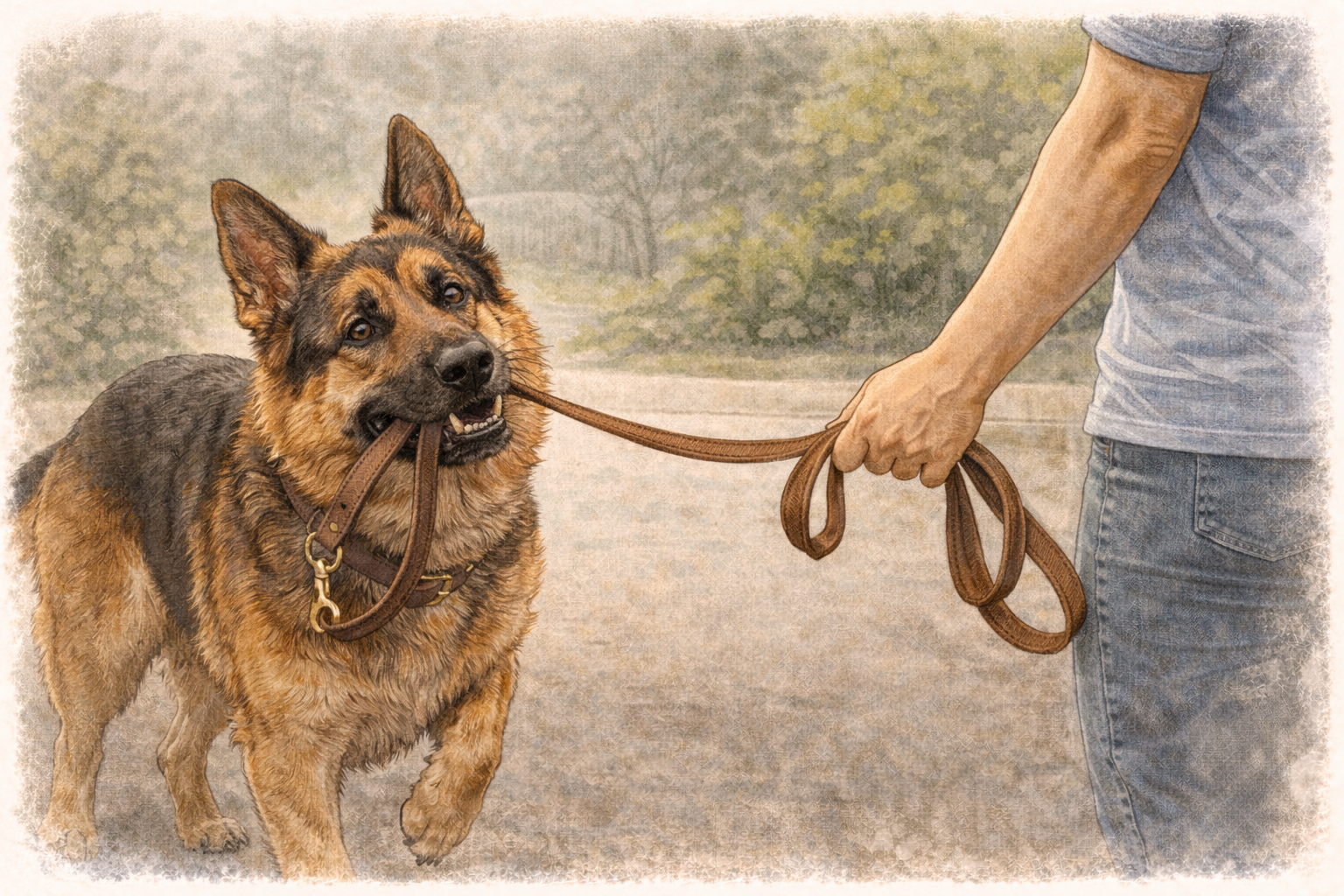
Q: Why does my dog seem stubborn and refuse to listen?
If you’ve ever said, "My dog knows this command, he’s just being stubborn," you’re not alone. But here’s the truth: most dog behaviour problems are not caused by defiance. They’re usually caused by confusion.
If you’ve ever said, "My dog knows this command, he’s just being stubborn," you’re not alone. But here’s the truth: most dog behaviour problems are not caused by defiance. They’re usually caused by confusion.
Dogs aren’t ignoring instructions to be difficult. They simply respond to what makes sense to them at that moment. When signals are unclear, dogs start guessing. And that guessing often looks like “bad behaviour.”
Understanding this is a key part of dog training basics and can change how pet parents approach everyday training.
Q: How do dogs actually understand the world?
Dogs don’t understand human language the way we do. Instead, they rely on patterns, tone, body language, and outcomes. This is why dog communication works very differently from human communication.
Dogs don’t understand human language the way we do. Instead, they rely on patterns, tone, body language, and outcomes. This is why dog communication works very differently from human communication.
What matters most to a dog is:
- What usually happens in a particular situation
- Which behaviours lead to rewards or attention
- How their human reacts, not just what their human says
Dogs don’t understand intentions. They understand consistency. When humans use the same cue with different tones or different outcomes, dogs don’t become stubborn — they become unsure.
Q: Why do mixed signals cause dog behaviour problems?
Mixed signals are one of the most common causes of dog behaviour problems.
Mixed signals are one of the most common causes of dog behaviour problems.
For example:
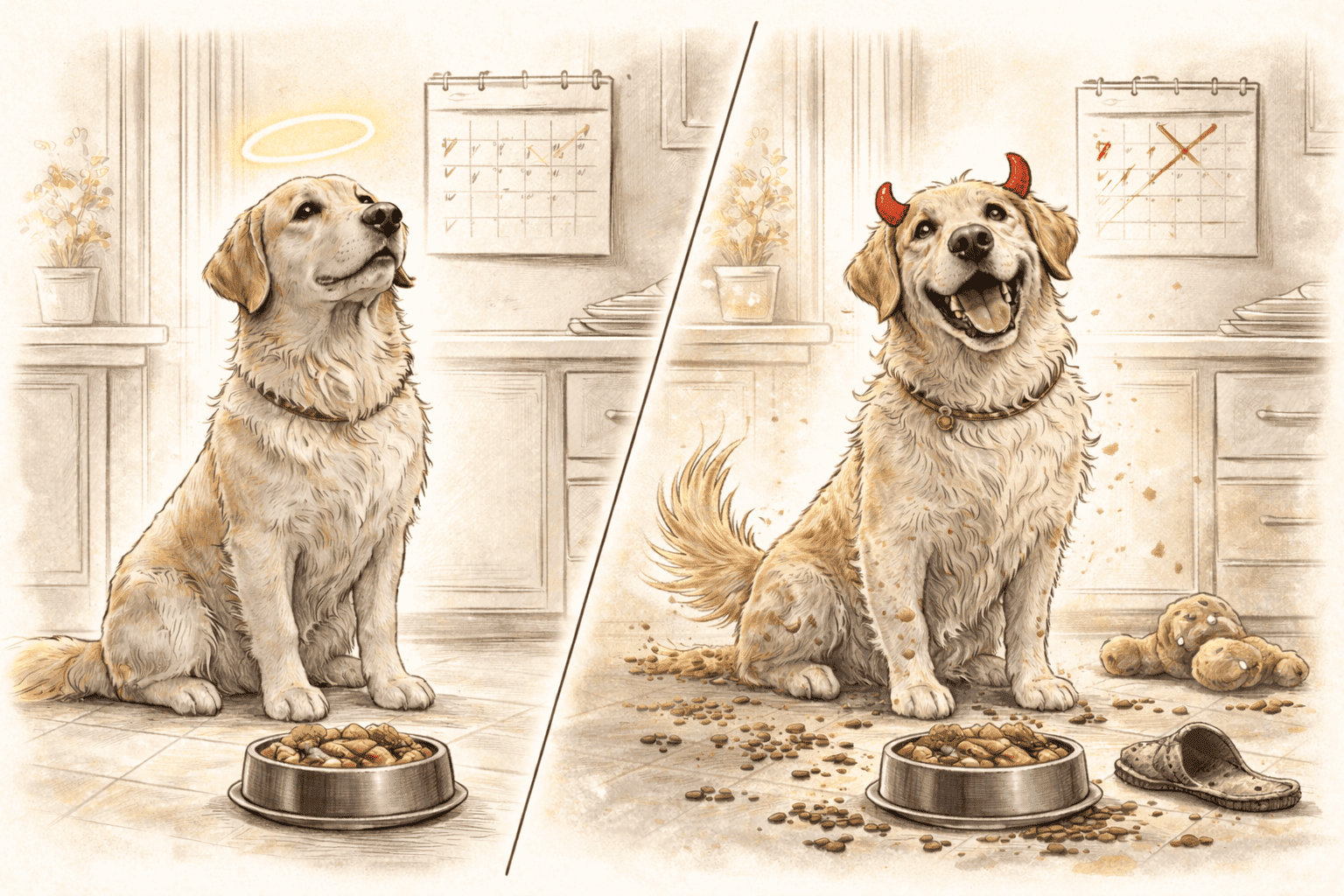
- One day jumping gets attention, another day it gets scolded
- Pulling on the leash sometimes works, sometimes doesn’t
- Begging is ignored sometimes but rewarded during dinner
From a dog’s perspective, this creates a confusing system where trying different behaviours feels logical. If something works even occasionally, dogs will keep testing it. That’s not defiance — it’s learning.
When pet parents ask “why dogs don’t listen,” the answer is often inconsistent rules rather than disobedience.
Q: What communication mistakes do humans often make with dogs?
Dogs pay more attention to body language and timing than words. Common mistakes in dog training basics include:
Dogs pay more attention to body language and timing than words. Common mistakes in dog training basics include:
- Repeating commands without follow-through
- Using different tones for the same cue
- Calling a dog while walking away
- Correcting behaviour too late
Dogs live in the present moment. If feedback comes too late, they cannot connect it to the action they just performed.
In dog communication, timing matters far more than volume. Calm, immediate responses make sense to dogs. Emotional reactions or yelling simply create noise and confusion.
Q: What communication habits actually help dogs learn?
Clear communication builds confidence and reduces behaviour issues. Effective dog training basics include:
Clear communication builds confidence and reduces behaviour issues. Effective dog training basics include:
- Using one clear cue for each behaviour
- Responding consistently every time
- Keeping tone calm and neutral
- Reinforcing behaviour immediately
- Removing attention when behaviour doesn’t work
When communication becomes clear and predictable, dogs stop guessing. They relax, understand expectations, and respond more confidently.
Q: What should pet parents remember about dog behaviour?
If your dog seems stubborn, pause before blaming them. Ask yourself:
If your dog seems stubborn, pause before blaming them. Ask yourself:
- Am I being consistent?
- Am I being clear?
- Would this make sense if I were a dog?
Most dogs truly want to get it right. They just need clear signals and steady guidance.
They’re not defiant. They’re confused.
And when humans bring clarity, the tail wags usually follow.
And when humans bring clarity, the tail wags usually follow.
If you've ever said, "My dog knows this command, he's just being stubborn," this one's for you - said with love and a gentle paw tap.
Most dog behaviour problems aren't caused by defiance. They're caused by confusion.
Dogs don't ignore instructions to be difficult. They respond to what makes sense to them at the moment. When things feel unclear, they guess. And guessing often looks like "bad behaviour."
Let's break this down in dog language.
How Dogs Understand the World
Dogs don't speak human language. They read patterns, tone, body language, and outcomes.
What matters to a dog is:
- What usually happens in this situation
- Which behaviours work
- How the human reacts - not what they say
This is a key part of dog training basics that often gets missed. Dogs don't understand intentions. They understand consistency.
When humans say the same word in different tones, or expect different outcomes from the same cue, dogs don't get stubborn - they get unsure.
Tail note: We don't disobey. We interpret.
Why Mixed Signals Create "Bad Behaviour"
- One day jumping gets attention.
- Another day it gets scolding.
- Sometimes pulling works.
- Sometimes it doesn't.
From a dog's perspective, this creates a confusing system where trying everything feels logical. This is why mixed signals are one of the biggest causes of dog behaviour problems.
If behaviour works sometimes, dogs will keep testing it. That's not defiance - that's learning.
When pet parents wonder "why dogs don't listen," the answer is often that the rules change depending on mood, time, or context.
Dogs need clarity, not correction overload.
Tone, Timing, and Body Language Mistakes
Here's the uncomfortable truth: dogs listen to your body long before your words.
Common mistakes include:
- Repeating commands without follow-through
- Using different tones for the same cue
- Calling a dog while moving away
- Correcting too late, after the moment has passed
Dogs live in the present. If feedback comes too late, they can't connect it to their action. In dog communication, timing matters more than volume. Calm, immediate responses make sense. Emotional reactions don't.
Sniff verdict: Yelling doesn't add clarity. It adds noise.
Clear Communication Habits That Actually Work
Good communication doesn't require dominance or force. It requires consistency.
Clear dog training basics include:
- Using one cue per behaviour
- Responding the same way every time
- Keeping tone neutral and calm
- Reinforcing behaviour immediately
- Removing attention when behaviour doesn't work
When communication is clear, dogs relax. They stop guessing. They stop testing.
Clarity builds confidence - and confident dogs behave better.
The Takeaway for Pet Parents
If your dog seems "stubborn," pause before blaming them.
Ask yourself:
Am I consistent?
Am I clear?
Would this make sense if I were a dog?
Am I consistent?
Am I clear?
Would this make sense if I were a dog?
Most dogs want to get it right. They just need humans to stop changing the rules.
We're not defiant. We're confused. Now take a breath, pick one clear message, and stick with it. Tail wag guaranteed.
We're not defiant. We're confused. Now take a breath, pick one clear message, and stick with it. Tail wag guaranteed.


.png)
.png)
.png)

.png)
.png)