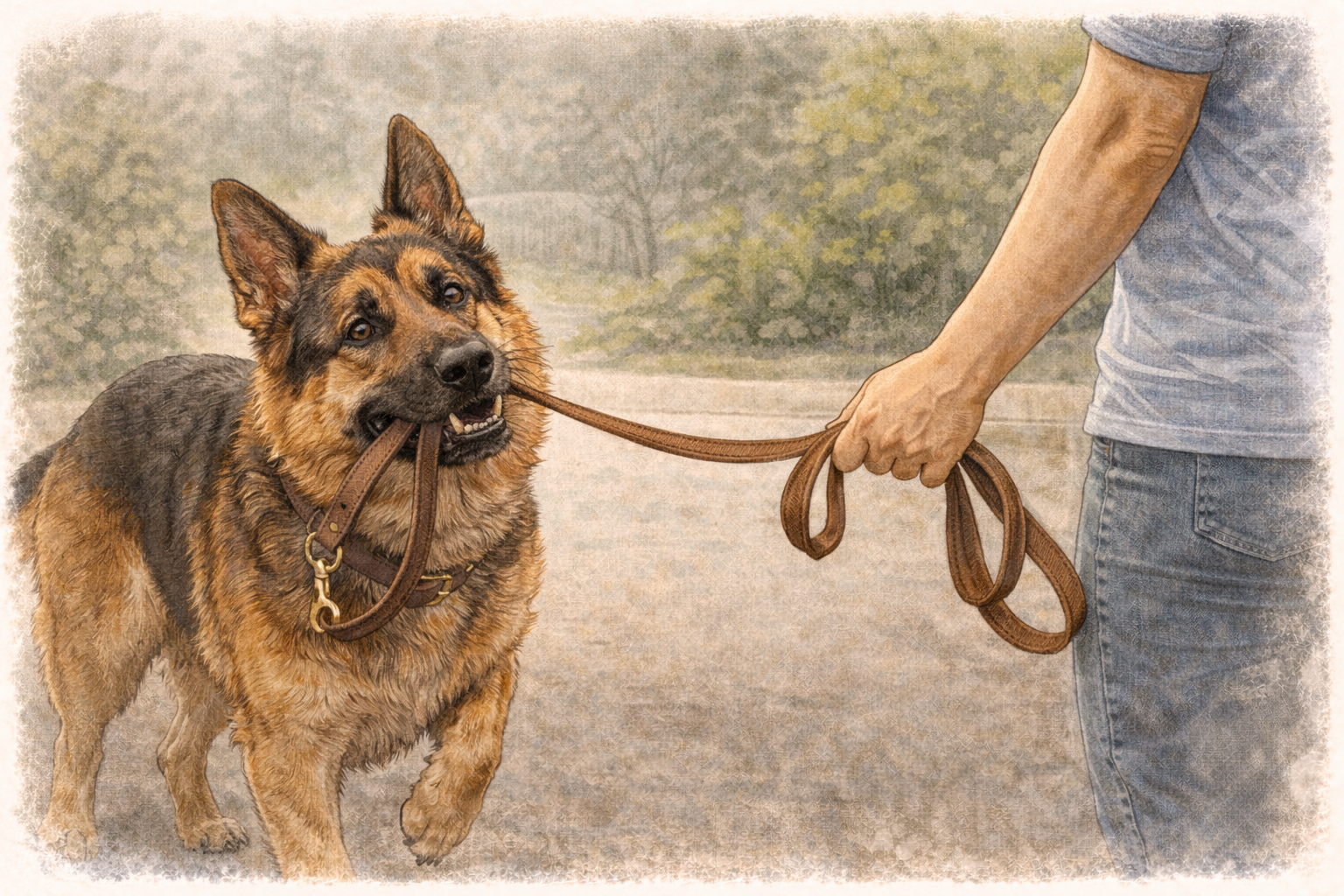
Stop Being Their "Owner".
Become Their "Parent".
Pet Parenting
March 04, 2026
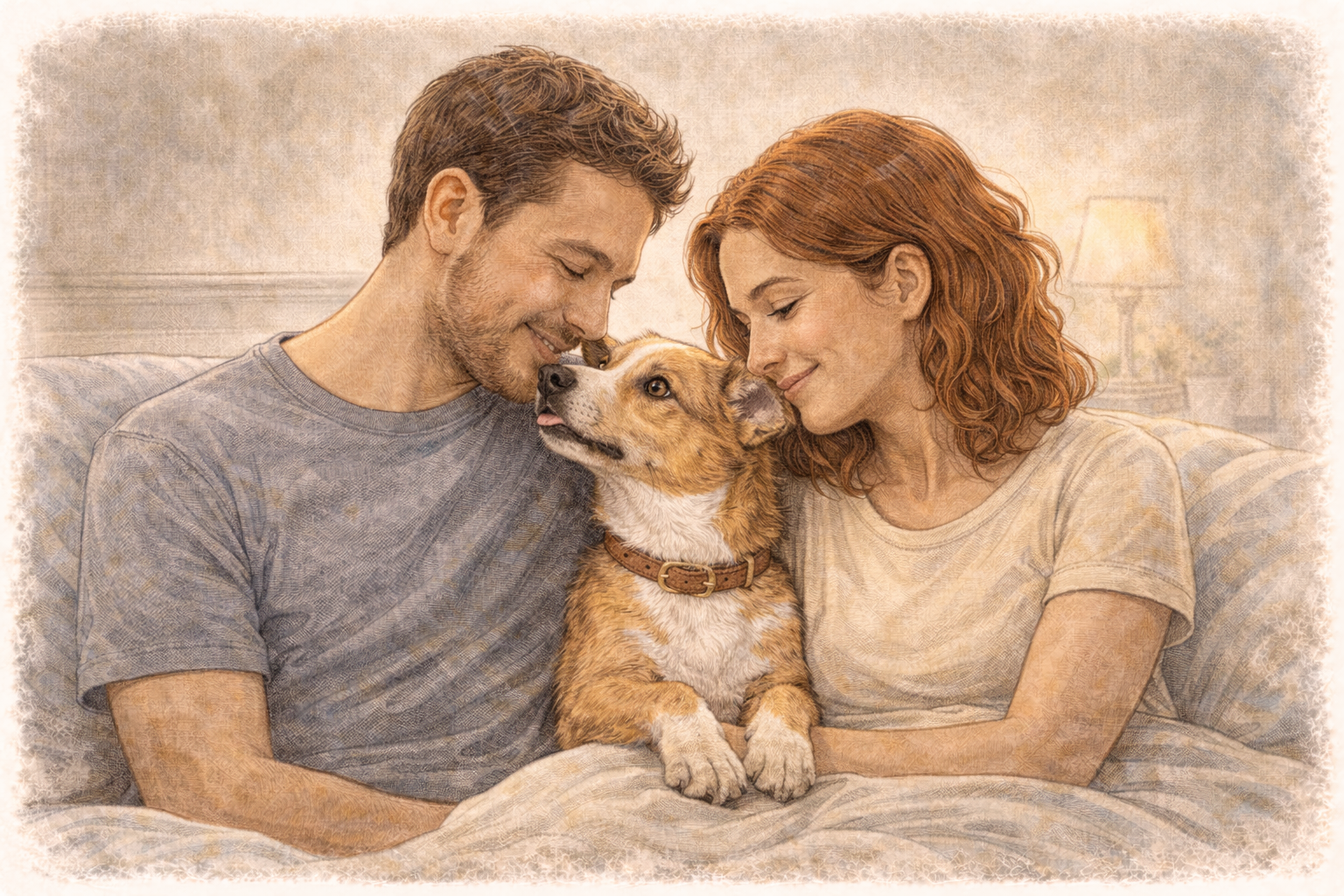
Words matter. Especially to humans. Dogs don't care what you call yourself - but the mindset behind the word changes everything.
When you see yourself as an owner, you focus on control. When you see yourself as a parent, you focus on guidance. And that shift is at the core of good pet parenting.
Why the "Owner" Mindset Falls Short
parenting implies possession. Authority. Compliance.
It sounds like:
- "He should listen."
- "She's being difficult."
- "I need to control this behaviour."
This mindset often leads to frustration when dogs don't act the way we expect. Dogs aren't machines. They don't exist to perform or obey perfectly. Many dog behaviour problems begin when humans expect control instead of communication.
Responsible dog parenting in today's world requires more than rules - it requires understanding.
Responsible dog parenting in today's world requires more than rules - it requires understanding.
Tail note: We don't need managing. We need guidance.
What Changes When You Think Like a Parent
A parent doesn't demand perfection. A parent teaches. When you shift into a dog parent mindset, you start asking different questions:
- "What is my dog trying to communicate?"
- "Have I been clear?"
- "Is this behaviour coming from fear, confusion, or excitement?"
Good pet parenting means recognising that behaviour is information, not defiance. Just like children, dogs test boundaries, make mistakes, and learn through consistency. They don't need punishment - they need clarity and support.
Parenting Is About Teaching, Not Controlling
Parents don't expect children to know everything automatically. They explain, repeat, model, and reinforce.
Dogs learn the same way. Dog training basics work best when approached as education:
- Clear expectations
- Calm repetition
- Predictable responses
- Fair boundaries
When dogs understand the rules, they relax. When they feel safe, behaviour improves. This approach reduces stress for both dogs and humans - and strengthens trust.
Sniff verdict: Teaching lasts longer than controlling.
Responsibility Looks Different Through a Parent Lens
Being a dog parent means thinking long-term. It means:
- Planning for ageing, not just puppyhood
- Choosing consistency over convenience
- Showing up on boring days
- Adjusting your expectations as your dog grows
Responsible dog parenting isn't about dominance. It's about commitment.
Parents stay. Owners sometimes give up. Dogs notice the difference.
Parents stay. Owners sometimes give up. Dogs notice the difference.
Why Dogs Thrive With Parental Leadership
Dogs don't want to run the household. They want someone calm and predictable to lean on.
A parental mindset provides:
- Emotional safety
- Clear structure
- Trust without fear
When dogs trust their humans, they listen more. Not because they're forced to - but because communication is clear.
That's the heart of good pet parenting.
The Takeaway
Stop asking, "How do I control my dog?" Start asking, "How do I guide them better?"
Be patient. Be consistent. Be present. Stop being their owner. Become their parent. We're not looking for bosses. We're looking for family.
Now come here. Ear scratches, please.
.png)
.png)
.png)
.png)
.png)