The World Is Equally Theirs
as It Is Ours
Pet Parenting
March 04, 2026

Q: Does it really matter whether we think of ourselves as a dog “owner” or a dog “parent”?
Dogs may not care about the word we use, but the mindset behind it shapes how we treat them. When people see themselves as an owner, the focus often becomes control and obedience. When they see themselves as a parent, the focus shifts to guidance, patience, and understanding.
That shift is at the heart of good pet parenting. It changes how we approach behaviour, communication, and daily life with our dogs.
Dogs may not care about the word we use, but the mindset behind it shapes how we treat them. When people see themselves as an owner, the focus often becomes control and obedience. When they see themselves as a parent, the focus shifts to guidance, patience, and understanding.
That shift is at the heart of good pet parenting. It changes how we approach behaviour, communication, and daily life with our dogs.
Q: Why can the “owner” mindset create problems?
The traditional idea of parenting often carries expectations of authority and compliance. It can sound like:
The traditional idea of parenting often carries expectations of authority and compliance. It can sound like:
- “He should listen.”
- “She’s being difficult.”
- “I need to control this behaviour.”
But dogs aren’t machines designed to perform perfectly. Many dog behaviour problems begin when humans expect control instead of communication. When a dog doesn’t behave the way we expect, frustration builds quickly.
Modern responsible dog parenting requires more than enforcing rules. It requires understanding how dogs learn, communicate, and respond to their environment.
Q: What changes when you think like a dog parent instead?
A parent’s role is not to demand perfection. A parent teaches. When you adopt a dog parent mindset, you start asking different questions:
- What is my dog trying to communicate?
- Have I been clear with my expectations?
- Is this behaviour coming from fear, confusion, excitement, or boredom?
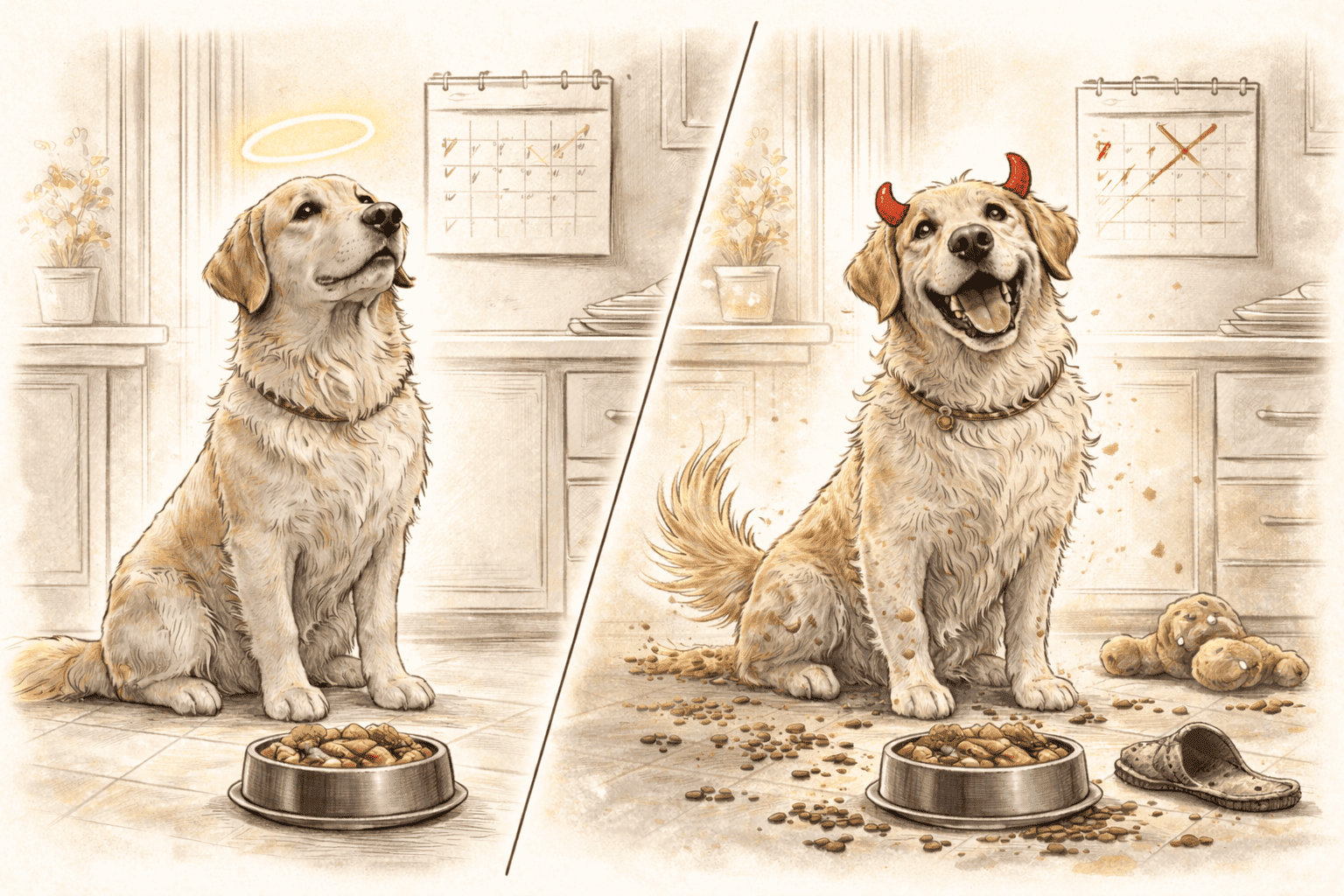
This perspective is essential for good pet parenting. Behaviour becomes information rather than defiance. Dogs, like children, test boundaries and learn through experience.
They don’t need punishment. They need clarity and support.
Q: How does parenting improve dog training?
When we approach training with patience and guidance, dog training basics become much more effective. Dogs learn best through education, not control.
Good training includes:
When we approach training with patience and guidance, dog training basics become much more effective. Dogs learn best through education, not control.
Good training includes:
- Clear expectations
- Calm and consistent repetition
- Predictable responses
- Fair and understandable boundaries
When dogs understand the rules of their environment, they relax. Their behaviour improves because they feel safe and confident.
Q: What does responsible dog parenting look like long term?
Being a dog parent means thinking beyond the puppy stage. It involves:
Being a dog parent means thinking beyond the puppy stage. It involves:
- Planning for ageing and changing needs
- Staying consistent even on ordinary days
- Adjusting expectations as your dog grows
- Showing up with patience and commitment
True responsible dog parenting is not about dominance. It’s about reliability. Dogs notice when humans stay steady and present.
Q: Why do dogs respond better to parental leadership?
Dogs don’t want to run the household. They want someone calm and predictable to guide them. A parental approach provides:
Dogs don’t want to run the household. They want someone calm and predictable to guide them. A parental approach provides:
- Emotional safety
- Clear structure
- Trust without fear
When dogs trust their humans, they listen more willingly. Not because they are forced to — but because communication is clear.
The takeaway: Instead of asking, “How do I control my dog?” ask, “How can I guide my dog better?”
Be patient. Be consistent. Be present. That’s the foundation of good pet parenting.
Be patient. Be consistent. Be present. That’s the foundation of good pet parenting.
.png)
.png)
.png)
.png)
.png)