The Quiet Responsibilities
of Being a Good Pet Parent
Pet Parenting
March 06, 2026
.png)
Q: What does responsible pet parenting really look like?
Being a good pet parent isn’t loud or dramatic. It doesn’t always show up in perfect routines, flawless training, or social media moments. In reality, responsible pet parenting shows up quietly — in the choices you make when nobody is watching and nothing feels particularly exciting.
Being a good pet parent isn’t loud or dramatic. It doesn’t always show up in perfect routines, flawless training, or social media moments. In reality, responsible pet parenting shows up quietly — in the choices you make when nobody is watching and nothing feels particularly exciting.
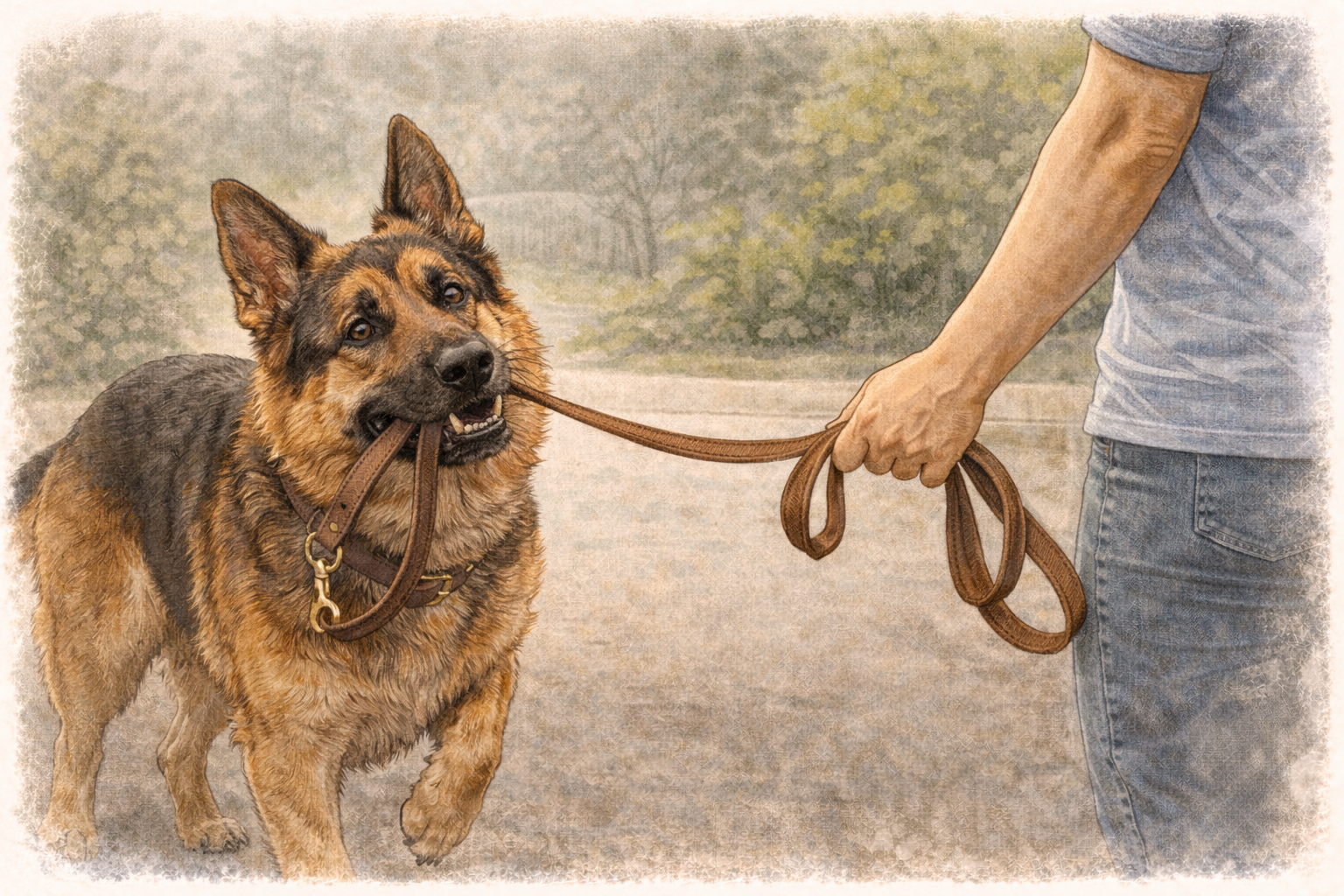
True care is built in the everyday moments. It’s in the walks you take when you’re tired, the routines you maintain when life gets busy, and the consistency you offer your dog even when the day feels ordinary.
Q: Why do “boring” days matter so much in dog care?
Anyone can show up for the fun moments of dog parenting — the puppy stage, park visits, and playful afternoons. But the real meaning of a lifetime commitment to a dog appears during the repetitive days.
The same walk.
The same route.
The same routine.
Anyone can show up for the fun moments of dog parenting — the puppy stage, park visits, and playful afternoons. But the real meaning of a lifetime commitment to a dog appears during the repetitive days.
The same walk.
The same route.
The same routine.
To humans, these moments might feel uneventful. But for dogs, they are deeply reassuring. Predictability provides a sense of safety. When you show up consistently, even on ordinary days, you teach your dog that their world is stable and that they can rely on you.
Ethical dog parenting is not about doing extraordinary things. It’s about not disappearing when things feel routine.
Q: How does responsible pet parenting change as dogs age?
Dogs do not stay the same throughout their lives. Energy levels change, mobility slows down, and health needs evolve. Long term dog care means thinking beyond today and preparing for the stages ahead.
Dogs do not stay the same throughout their lives. Energy levels change, mobility slows down, and health needs evolve. Long term dog care means thinking beyond today and preparing for the stages ahead.
Older dogs may need:
- Slower walks and gentler exercise
- More patience and emotional reassurance
- Increased veterinary care and observation
Life may bring changes such as new jobs, moves, or family responsibilities. But a lifetime commitment to a dog means adjusting your life to support your dog’s needs as they change.
Responsible pet parenting requires flexibility, patience, and long-term dedication.
Responsible pet parenting requires flexibility, patience, and long-term dedication.
Q: Is dog care only about food, walks, and vet visits?
These basics are essential, but they are not the full picture. Dogs are emotional beings that experience stress, confusion, comfort, and attachment. Ethical dog parenting includes emotional awareness as well as practical care.
These basics are essential, but they are not the full picture. Dogs are emotional beings that experience stress, confusion, comfort, and attachment. Ethical dog parenting includes emotional awareness as well as practical care.
Responsible pet parents pay attention to their dog’s emotional state by:
- Recognising fear or anxiety instead of dismissing it as bad behaviour
- Avoiding forced interactions when a dog feels uncomfortable
- Not ignoring signs of stress or withdrawal
- Remaining calm during uncertain situations
Dogs don’t need constant excitement. What they need most is emotional safety and a steady human presence.
Q: What do dogs give back when pet parents stay consistent?
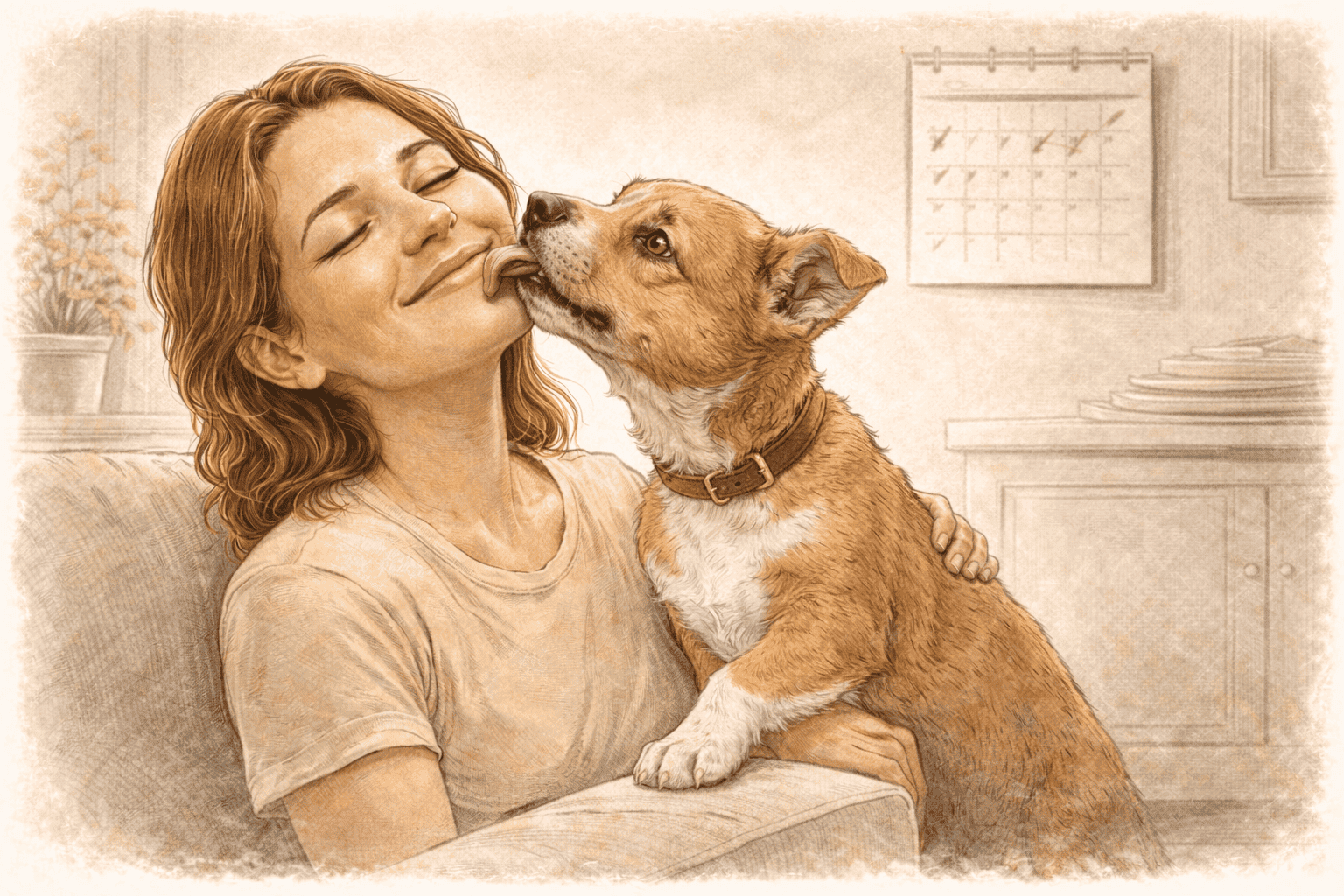
Dogs notice reliability more than grand gestures. When humans show up consistently, dogs begin to relax and trust their environment.
Dogs notice reliability more than grand gestures. When humans show up consistently, dogs begin to relax and trust their environment.
Over time, consistent care creates:
Deeper trust
Greater emotional stability
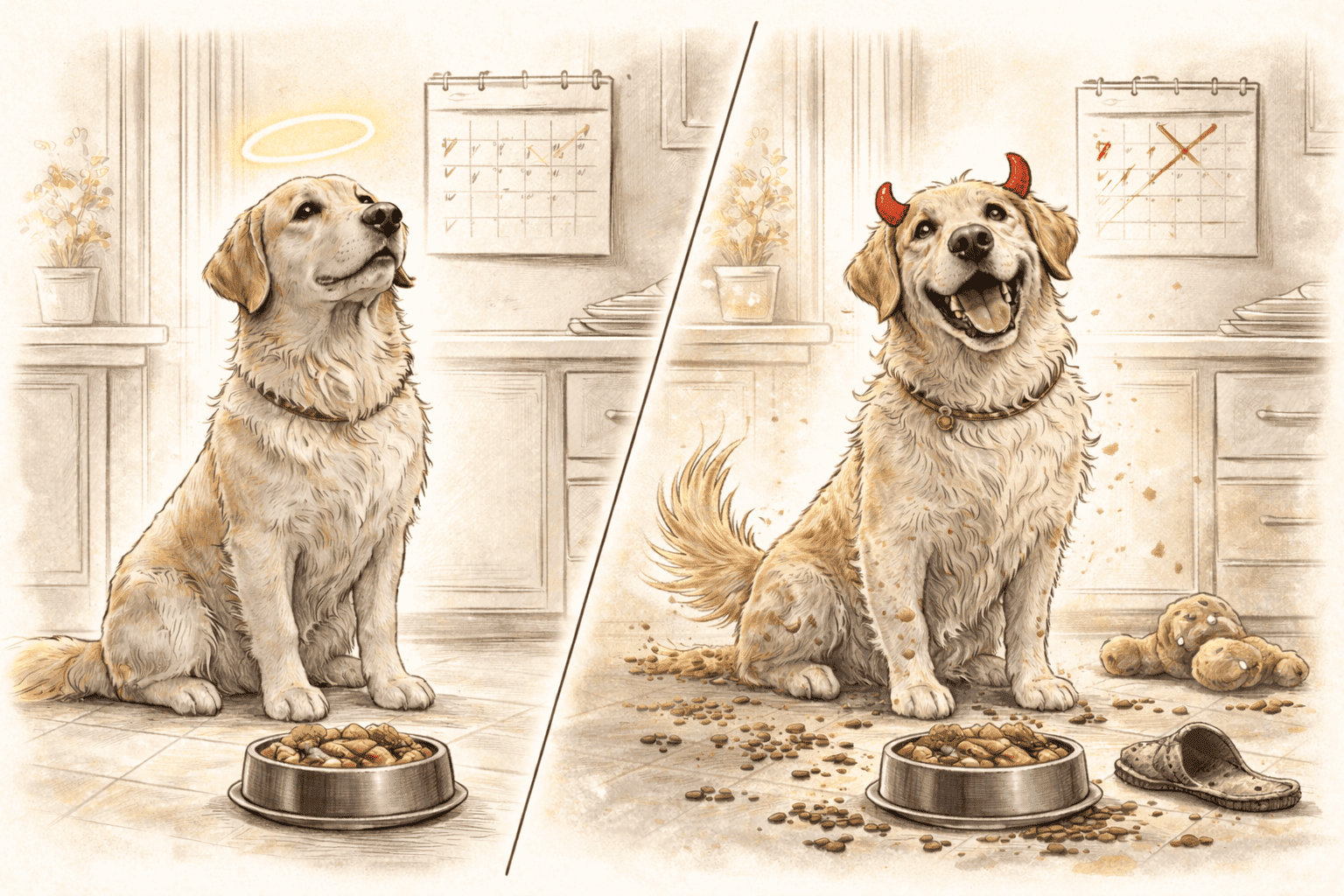
Less testing of boundaries
Stronger connection between dog and human
This trust often returns in quiet ways — companionship, loyalty, and emotional awareness that grows stronger over the years.
The takeaway:
A lifetime commitment to a dog isn’t about perfection. It’s about presence.
A lifetime commitment to a dog isn’t about perfection. It’s about presence.
Responsible pet parenting means choosing patience over convenience, understanding over frustration, and commitment over impulse.
Show up today.
Adjust tomorrow.
And keep showing up.
Adjust tomorrow.
And keep showing up.
That’s ethical dog parenting.
.png)

.png)
.png)
.png)